
Squeaky or Grinding Brakes: Causes, Warning Signs, and When to Get Service
Hearing a squeak, squeal, or grinding sound when braking can be unsettling, and for good reason. Your vehicle’s braking system is one of its most critical safety components, and unusual brake noises often signal wear, contamination, or mechanical issues that shouldn’t be ignored. Understanding what causes squeaky or grinding brakes, which sounds are normal, and when professional brake service is recommended can help you protect your vehicle and stay safe on the road. We also perform oil changes, tune-ups, transmission repair, and ac repair.
At Art Morse Automotive Group, our certified technicians inspect and service brakes for drivers throughout Michigan, ensuring reliable stopping power and peace of mind.
Common Causes of Squeaky Brakes
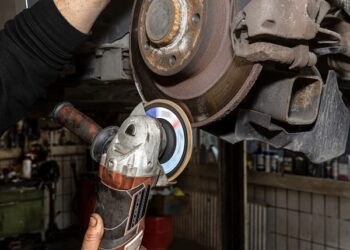
Not all brake noises indicate an immediate problem, but they should always be taken seriously. Some of the most common reasons for brake squeaking include:
Normal Brake Pad Wear Indicators
Many brake pads are designed with built-in wear indicators. When pads wear down, a small metal tab contacts the rotor and creates a high-pitched squeal. This sound is intentional; it’s your car’s way of telling you it’s time for a brake inspection.
Dust, Dirt, or Moisture
Brake dust buildup or debris between the brake pad and rotor can cause squeaking, especially after rain or overnight condensation. This type of noise may disappear after driving for a short time, but recurring sounds should be checked.
Temperature and Driving Conditions
Cold weather or light braking at low speeds can cause temporary squeaks. High-performance or ceramic brake pads may also make more noise during normal operation, especially before warming up.
What Causes Grinding Brakes?
Unlike squeaking, grinding brake noises are almost always a warning sign that requires immediate attention.
Severely Worn Brake Pads
If brake pads wear down completely, the metal backing plate grinds directly against the brake rotor. This produces a harsh grinding sound and can cause extensive damage.
Damaged or Warped Rotors
Grinding may also occur if brake rotors are warped, cracked, or excessively worn. Ignoring this can lead to longer stopping distances and costly repairs.
Failing Brake Hardware
Loose calipers, worn shims, or damaged brake components can create grinding or scraping noises when braking or driving.
Normal vs. Dangerous Brake Sounds
Understanding the difference between normal and dangerous brake noises can help you decide when to schedule service.
Typically Normal Sounds:
- Light squeaking in cold or wet conditions
- Brief noise after a car wash or rain
- Mild squeal from new brake pads during break-in
Dangerous Sounds That Need Immediate Service:
- Grinding or growling noises
- Loud squealing that persists
- Vibrations or pulsations when braking
- Metallic scraping sounds
If you hear grinding or feel changes in braking performance, it’s best to stop driving and have your vehicle inspected as soon as possible.
When Is Brake Service Recommended?
Routine brake inspections are essential for safety and performance. Most manufacturers recommend brake checks every 10,000–15,000 miles, or at least once a year. You should schedule brake service if you notice:
- Persistent squeaking or grinding
- Reduced braking responsiveness
- Brake warning light illuminated
- Vehicle pulling to one side when braking
Delaying brake service can turn a simple pad replacement into a more expensive rotor or caliper repair.
Trust Art Morse for Professional Brake Service
At Art Morse Automotive Group, our factory-trained technicians use advanced diagnostic tools and OEM-quality parts to ensure your brakes perform at their best. Whether you drive a new vehicle or a high-mileage car, our service team can identify the cause of brake noise and recommend the right solution.
If your vehicle is making squeaking or grinding noises, don’t wait. Schedule a brake inspection with Art Morse Automotive Group today through our website or visit our Battle Ground, WA, service location. Your safety is our priority.