
Essential Vehicle Fluids Explained: Functions, Maintenance, and Replacement Intervals
Vehicle fluids play a vital role in keeping your car running safely, efficiently, and reliably. From lubricating engine components to ensuring proper braking performance, each fluid in your vehicle has a specific purpose. Knowing what these fluids do and when they should be replaced can help prevent costly repairs and extend the life of your vehicle.
At Art Morse Auto Group, our certified technicians help drivers stay ahead of maintenance needs with professional fluid inspections and replacements. Below is a breakdown of the most important vehicle fluids every driver should understand.
Engine Oil
What it does: Engine oil lubricates moving engine parts, reduces friction, helps regulate temperature, and prevents harmful buildup inside the engine.
When to replace it: Most vehicles require an oil change every 5,000 to 7,500 miles, depending on driving habits and oil type. Some newer vehicles may go longer, but regular oil changes remain one of the most important forms of preventative maintenance.
Signs it needs attention:
- Oil change warning light
- Dark or gritty oil
- Engine noise or rough performance
Coolant (Antifreeze)
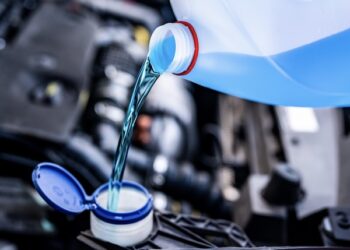
What it does: Coolant regulates engine temperature by preventing overheating in warm weather and freezing in cold conditions. It also protects against corrosion in the cooling system.
When to replace it: Coolant typically needs to be flushed and replaced every 30,000 to 60,000 miles, depending on manufacturer recommendations.
Signs it needs attention:
- Engine overheating
- Sweet smell from the engine bay
- Low coolant warning light
Brake Fluid
What it does: Brake fluid transfers force from the brake pedal to the braking system, allowing your vehicle to stop effectively.
When to replace it: Brake fluid should generally be replaced every 2 to 3 years, as it absorbs moisture over time, which can reduce braking performance.
Signs it needs attention:
- Soft or spongy brake pedal
- Brake warning light
- Reduced stopping power
Transmission Fluid
What it does: Transmission fluid lubricates gears, cools the transmission, and ensures smooth shifting in both automatic and manual transmissions.
When to replace it: Most vehicles require transmission fluid service every 30,000 to 60,000 miles, though some newer models have extended intervals. Always follow your manufacturer’s guidelines.
Signs it needs attention:
- Slipping gears
- Delayed or rough shifting
- Transmission warning light
Power Steering Fluid
What it does: Power steering fluid allows you to steer the vehicle smoothly by transmitting hydraulic pressure within the steering system.
When to replace it: Power steering fluid is often replaced every 50,000 to 75,000 miles, depending on the vehicle.
Signs it needs attention:
- Difficulty turning the steering wheel
- Whining noises while steering
- Fluid leaks under the vehicle
Why Regular Fluid Maintenance Matters
Neglecting fluid maintenance can lead to premature component wear, poor vehicle performance, and expensive repairs. Regular inspections allow technicians to catch small issues before they become major problems.
At Art Morse Auto Group, we follow manufacturer-recommended service schedules and use high-quality fluids designed specifically for your vehicle.
Contact Art Morse Auto Group for Professional Fluid Service
If you’re unsure when your vehicle’s fluids were last checked or replaced, the service experts at Art Morse Auto Group are here to help. We offer complete fluid inspections, flushes, and replacements to keep your vehicle performing at its best.
Schedule your service appointment today or visit our Battle Ground, WA, location for trusted, expert automotive care.