
How to Tell If Your Car Battery Is About to Fail
Your vehicle’s battery plays a vital role in starting the engine and powering essential electrical systems. Unfortunately, car batteries rarely fail without warning. Recognizing the signs of a failing car battery can help you avoid inconvenient breakdowns, missed appointments, and unexpected towing costs.
At Art Morse Automotive Group, our service professionals help drivers identify battery issues early and replace weak batteries before they leave you stranded. We perform oil changes, brake repair, tune-ups, transmission services, and ac repair.
Common Signs of a Failing Car Battery
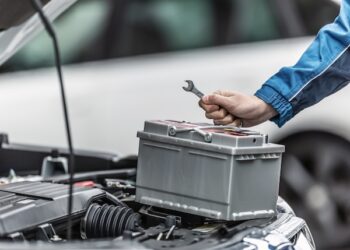
Car batteries naturally lose strength over time. Paying attention to early symptoms can prevent complete battery failure.
Slow Engine Crank
One of the most common warning signs is a slow or labored engine crank when starting your vehicle. If your engine takes longer than usual to turn over, your battery may be losing charge.
Dimming Headlights or Interior Lights
A weakening battery often struggles to supply consistent power. Dimming headlights, flickering dashboard lights, or weak interior lighting—especially when starting the car—can indicate battery trouble.
Clicking Sound When Turning the Key
Hearing a clicking noise instead of the engine starting usually means the battery doesn’t have enough power to engage the starter motor. This is often a sign of an aging or failing battery.
Electrical System Issues
Modern vehicles rely heavily on electronics. Power windows moving slowly, malfunctioning infotainment systems, or intermittent warning lights may point to low battery voltage.
Battery Warning Light
If the battery or charging system warning light appears on your dashboard, it should never be ignored. This could indicate a failing battery, alternator issues, or charging system problems.
Visual Signs of Battery Problems
Some battery issues can be detected with a simple visual inspection.
Corrosion on Battery Terminals
White or bluish corrosion buildup on the battery terminals can interfere with electrical flow, reducing starting power and overall performance.
Swollen or Misshapen Battery Case
Extreme heat or overcharging can cause the battery case to swell. A bloated battery is unsafe and should be replaced immediately.
Leaking Battery Fluid
If you notice fluid around the battery, it may be leaking acid, which can damage nearby components and signal imminent failure.
How Long Does a Car Battery Last?
Most car batteries have an average lifespan of three to five years, depending on driving habits, climate, and vehicle type. Short trips, extreme temperatures, and frequent electrical use can shorten battery life.
Factors that affect battery lifespan include:
- Hot and cold weather extremes
- Frequent stop-and-go driving
- Extended vehicle inactivity
- Heavy use of electronic accessories
If your battery is approaching the three-year mark, regular testing is strongly recommended.
When to Test or Replace Your Battery
Battery testing should be part of routine vehicle maintenance. You should have your battery checked if:
- Your vehicle struggles to start
- The battery is more than three years old
- You’re preparing for extreme seasonal temperatures
- Dashboard warning lights appear
Early battery replacement is far less expensive and stressful than dealing with a sudden breakdown.
Trust Art Morse for Battery Testing and Replacement
At Art Morse Automotive Group, our factory-trained technicians perform professional battery testing to assess charge capacity, starting power, and overall health. If replacement is needed, we install high-quality batteries designed for your specific vehicle.
Contact Us Today
If you’ve noticed signs of a failing car battery or want peace of mind before your next trip, contact Art Morse Automotive Group today to schedule a battery inspection or replacement. Our service team is here to keep you confidently on the road.