
Common Causes of Engine Overheating (and How to Prevent It)
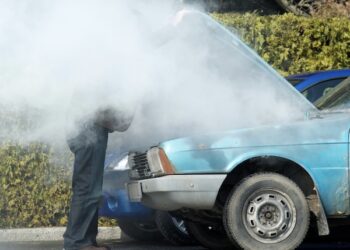
Engine overheating is one of the most common and potentially damaging automotive problems drivers face. If your vehicle’s temperature gauge rises too high or the engine temperature warning light comes on, it’s a sign that something in the cooling system isn’t working properly. Understanding the common causes of engine overheating can help you prevent breakdowns, expensive repairs, and engine failure.
At Art Morse Auto Group, our certified technicians regularly diagnose and repair overheating engines. Below, we break down the most frequent causes and explain how drivers can help prevent them.
Why Engine Overheating Is a Serious Issue
Your engine operates within a narrow temperature range. When it overheats, critical components such as the cylinder head, head gasket, and pistons can warp or crack. Prolonged overheating can result in complete engine failure, making early detection and proper maintenance essential.
Most Common Causes of Engine Overheating
Coolant Loss or Low Coolant Levels
Coolant (also called antifreeze) regulates engine temperature by transferring heat away from the engine. Low coolant levels are one of the leading causes of engine overheating.
Common reasons for coolant loss include:
- Coolant leaks from hoses or the radiator
- Cracked coolant reservoir
- Evaporation due to neglected maintenance
Prevention tip: Check coolant levels regularly and follow the manufacturer’s recommended service intervals for coolant flushes.
Radiator Problems
The radiator is responsible for dissipating heat from the coolant. When it becomes clogged, damaged, or corroded, heat cannot escape efficiently.
Common radiator issues include:
- Internal clogs or mineral buildup
- Bent or damaged cooling fins
- External debris is blocking airflow
Prevention tip: Keep the radiator clean and schedule routine cooling system inspections at a trusted service center like Art Morse Auto Group.
Thermostat Failure
The thermostat controls coolant flow between the engine and radiator. If it gets stuck closed, coolant cannot circulate properly, causing rapid overheating.
Signs of thermostat problems include:
- Sudden temperature spikes
- Inconsistent heating or cooling
- No heat from the cabin heater
Prevention tip: Replace the thermostat at recommended mileage intervals or at the first sign of irregular engine temperatures.
Water Pump Malfunction
The water pump circulates coolant throughout the engine. A failing water pump can lead to poor coolant flow and overheating.
Common warning signs include:
- Coolant leaks near the front of the engine
- Whining or grinding noises
- Repeated overheating episodes
Prevention tip: Replace the water pump during timing belt service when applicable.
Cooling Fan Issues
Cooling fans help regulate temperature when your vehicle is idling or moving slowly. A faulty fan motor, relay, or sensor can cause overheating in traffic or during hot weather.
Prevention tip: If your vehicle overheats while stopped but cools down while driving, have the cooling fan system inspected promptly.
How to Prevent Engine Overheating
Preventive auto maintenance is the most effective way to avoid overheating problems. Drivers can reduce risk by:
- Scheduling regular cooling system inspections
- Replacing worn hoses and belts early
- Keeping coolant at proper levels
- Responding immediately to temperature warning lights
If your engine temperature rises unexpectedly, pull over safely and turn off the engine. Continuing to drive can cause severe damage.
Contact Art Morse Auto Group for Engine Cooling System Service
If your vehicle is overheating or showing warning signs, the expert technicians at Art Morse Auto Group are here to help. We provide professional diagnostics, cooling system repairs, radiator service, oil changes, brake repair, and preventative maintenance for all major vehicle brands.
Schedule your service appointment today through our website or visit our Battle Ground, Washington, location to keep your engine running safely and efficiently.