
Check Engine Light Explained: Common Causes and What to Do Next
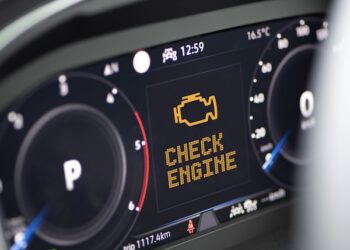
Few things catch a driver’s attention faster than seeing the check engine light appear on the dashboard. While it can be alarming, the check engine light doesn’t always indicate a major repair, but it should never be ignored. This warning light signals that your vehicle’s onboard computer has detected an issue affecting engine performance, emissions, or overall efficiency.
At Art Morse Auto Group, our certified technicians perform professional check engine light diagnostics to accurately identify the cause and recommend the correct repair. We also offer ac services, oil changes, brake repair, tune-ups, transmission services, and more.
What Is the Check Engine Light?
The check engine light is part of your vehicle’s Onboard Diagnostics (OBD) system. When sensors detect abnormal readings or system malfunctions, the vehicle stores a diagnostic trouble code and illuminates the warning light.
The light may appear as:
- A steady yellow or orange engine symbol
- A flashing engine light (indicating a more serious issue)
A steady light usually means a problem that should be checked soon. A flashing light often signals a severe issue that requires immediate attention to prevent damage.
Common Reasons the Check Engine Light Turns On
Loose or Damaged Gas Cap
One of the most common and simplest causes is a loose or cracked gas cap. This can trigger an emissions-related warning.
What to do: Tighten the gas cap until it clicks. If the light doesn’t turn off after a few drives, further diagnostics may be needed.
Faulty Oxygen Sensor
Oxygen sensors measure how much oxygen is in the exhaust and help regulate fuel efficiency. When they fail, fuel economy and emissions suffer.
Why it matters: Ignoring a faulty sensor can damage the catalytic converter and increase fuel costs.
Malfunctioning Catalytic Converter
The catalytic converter reduces harmful exhaust emissions. Problems often result from untreated engine issues or poor maintenance.
Warning signs: Reduced performance, poor acceleration, or a sulfur smell.
Ignition System Problems
Worn spark plugs or failing ignition coils can cause engine misfires, leading to reduced performance and potential engine damage.
Why it matters: Misfires can overheat and damage the catalytic converter.
Mass Airflow Sensor Issues
The mass airflow sensor measures the amount of air entering the engine. A faulty sensor can cause rough idling, stalling, or difficulty starting.
Emissions System Faults
Modern vehicles have complex emissions systems. Even small leaks or sensor failures can trigger the check engine light.
Why Professional Diagnostics Are Essential
While some auto parts stores offer free code scans, these only provide a general idea of the issue, not a full diagnosis. Diagnostic codes do not tell the whole story.
At Art Morse Auto Group, professional diagnostics include:
- Manufacturer-specific scan tools
- Live data analysis
- Physical inspections by trained technicians
This ensures accurate repairs and prevents unnecessary part replacements.
Is It Safe to Drive With the Check Engine Light On?
- Steady light: You may be able to drive short distances, but schedule service as soon as possible.
- Flashing light: Reduce speed immediately and seek professional service. Continued driving can cause serious engine damage.
Contact Art Morse Auto Group for Check Engine Light Service
If your check engine light is on, don’t guess. The expert service teams at Art Morse Auto Group provide accurate diagnostics, transparent explanations, and professional repairs for all major vehicle brands.
Schedule your service appointment today through our website or visit our Battle Ground, WA, location for trusted, factory-trained automotive service.